
Get Japanese Barberry Removal in Puyallup, WA
Japanese Barberry Removal services help Puyallup property owners eliminate invasive shrubs, prevent landscape damage, and restore yard safety through professional removal and cleanup projects.
Property owners in Puyallup, WA, who are considering landscape improvements or invasive plant management often encounter Japanese Barberry that needs removal. This shrub, while common in the area, can become problematic if it spreads unchecked, impacting native plant growth and overall landscape health. Exploring professional Japanese Barberry removal services can help maintain a safe, attractive outdoor space, especially for those planning ongoing garden or yard projects. By comparing local contractors, property owners can find experienced providers equipped to handle the specific challenges of invasive shrub removal in the Puyallup region.
Continuing with a well-informed approach to property care involves understanding the benefits of professional services and the options available nearby. Whether managing existing growth or planning new landscape features, connecting with local contractors who specialize in invasive plant removal can support effective, long-lasting results. Keep reading to learn more about how experienced service providers in Puyallup can assist with Japanese Barberry removal, helping property owners make informed decisions for their outdoor spaces.
- Japanese Barberry Removal - needed when invasive bushes threaten native plant landscapes in neighborhoods around Puyallup, WA.
- Japanese Barberry Clearing - required to eliminate overgrowth that encroaches on residential yards and garden spaces.
- Japanese Barberry Control - necessary for property owners seeking to prevent the spread of this invasive species in local communities.
- Japanese Barberry Eradication - sought after when removing dense thickets that hinder lawn maintenance or outdoor aesthetics.
- Japanese Barberry Management - essential for maintaining healthy, native landscapes in suburban areas near Tacoma and surrounding regions.
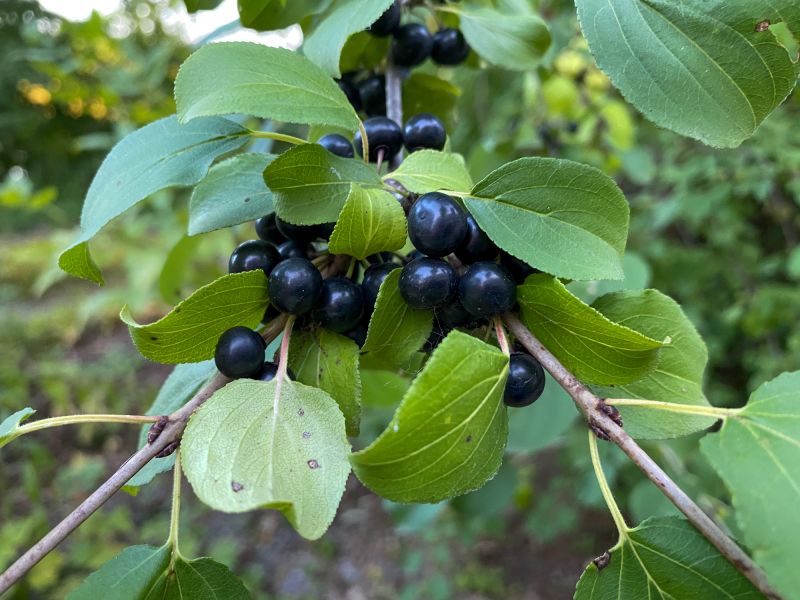
Japanese Barberry Removal services involve the careful elimination of this invasive shrub from residential and commercial properties. Skilled service providers use specialized techniques to safely remove the plants, including cutting back the bushes and removing root systems to prevent regrowth. This process helps restore the natural landscape, improve curb appeal, and create a safer environment by reducing overgrown or dense shrubbery that can harbor pests or obstruct views. Property owners can rely on these services to maintain a tidy, healthy outdoor space and prevent the spread of Japanese Barberry to neighboring areas.
This service is particularly effective for addressing problems caused by Japanese Barberry, such as its aggressive growth that can outcompete native plants, leading to reduced biodiversity in yards and natural areas. The dense thickets can also create hiding spots for pests like ticks, which may pose health concerns for residents. Additionally, the thorny branches of the shrub can be a safety hazard for children and pets. Removing Japanese Barberry can help mitigate these issues, promoting a more inviting and safer outdoor environment.
Properties that typically benefit from Japanese Barberry Removal include residential yards, community parks, and commercial landscapes. Homes with landscaped gardens often seek removal to improve the appearance and health of other plants. Larger properties with extensive shrubbery may require professional removal to manage overgrowth effectively. Commercial properties, such as shopping centers or office complexes, may also need this service to maintain a professional appearance and prevent invasive plants from taking over outdoor spaces. Local contractors can tailor their approach based on the size and specific needs of each property.
Homeowners noticing Japanese Barberry spreading into their yard or experiencing an increase in pests may find this service essential. Overgrown or unmanaged shrubs can quickly become a problem, making removal a practical step toward restoring the landscape’s health and safety. Service providers can assess the extent of the infestation and recommend appropriate removal strategies, ensuring the invasive plants are thoroughly eliminated. Contacting local experts for Japanese Barberry Removal can help property owners protect their outdoor spaces and prevent future invasions.
The overview below groups typical Japanese Barberry Removal projects into broad ranges so you can see how smaller, mid-sized, and larger jobs often compare in Puyallup, WA.
In many markets, a large share of routine jobs stays in the lower and middle ranges, while only a smaller percentage of projects moves into the highest bands when the work is more complex or site conditions are harder than average.
Smaller Removal Jobs - For basic removal of Japanese Barberry in small gardens or yard sections, local contractors typically charge between $250 and $600. Many routine projects fall within this range, covering straightforward removal and cleanup tasks.
Medium-Scale Projects - Larger areas or moderate infestations often cost between $600 and $1,500. These projects may include multiple visits for removal, disposal, and site restoration, which is common for many residential properties.
Extensive or Complex Jobs - Larger, more complex projects such as extensive infestations or partial landscape redesigns can range from $1,500 to $3,500. Fewer projects reach this tier, usually involving detailed removal and significant site preparation.
Full Removal and Replacement - Complete removal of Japanese Barberry along with landscape replanting or soil treatment can cost $3,500 or more. These larger, comprehensive projects are less common but may be necessary for severe infestations or property-wide treatments.
Actual totals will depend on details like access to the work area, the scope of the project, and the materials selected, so use these as general starting points rather than exact figures.
Invasive plant removal - local contractors often handle projects involving the removal of invasive species like Japanese Barberry, requiring similar planning and tools to ensure effective eradication.
Shrub and hedge clearing - professionals who clear overgrown shrubs and hedges use comparable techniques and equipment, making their services relevant for dense Japanese Barberry infestations.
Landscaping and site prep - landscape service providers often perform site clearing and preparation tasks that involve removing unwanted vegetation, aligning with the skills needed for Japanese Barberry removal.
Garden restoration projects - specialists involved in restoring gardens after invasive species removal utilize similar planning and plant management skills to re-establish healthy landscapes.
Weed control and management - local weed control experts frequently handle invasive plant issues, applying comparable methods and tools to those used in Japanese Barberry eradication.
Tree and brush removal - contractors experienced in removing small trees and thick brush possess the tools and planning expertise applicable to clearing dense Japanese Barberry growths.
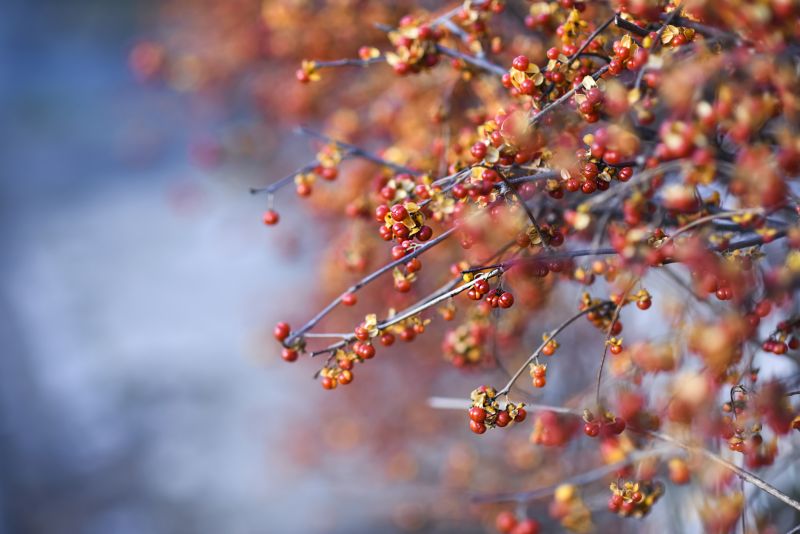
When comparing service providers for Japanese Barberry removal, it’s important to focus on their experience with similar projects. Homeowners should consider whether potential contractors have a history of handling invasive shrub removal or landscape management tasks comparable to their needs. A contractor’s familiarity with the specific challenges associated with Japanese Barberry can contribute to a smoother process and more effective results. Asking for details about their past work can help gauge their expertise and confidence in managing this type of project, ensuring that the chosen professional understands the scope and complexity involved.
Clear, written expectations are essential for a successful working relationship. Homeowners should seek service providers who can articulate what the removal process will entail, including the steps involved, the tools used, and any follow-up actions that may be necessary. Having these details in writing helps prevent misunderstandings and provides a reference point throughout the project. It’s also helpful to clarify what the contractor’s responsibilities will be and what the homeowner should anticipate in terms of the work performed, so everyone is aligned on the scope and outcomes.
Reputable references and strong communication are key factors to consider when selecting a local contractor. Homeowners can ask potential service providers for references from previous clients who had similar Japanese Barberry removal projects. These references can offer insight into the contractor’s reliability, quality of work, and professionalism. Additionally, open and responsive communication during the inquiry process can indicate how well a contractor listens to client needs and provides updates. While this site introduces homeowners to local options, it’s important to evaluate each service provider’s experience, clarity of communication, and references to find a trustworthy partner for the project.
Property owners in Puyallup, WA use Japanese Barberry Removal services for practical projects around their homes and businesses. This guide focuses on everyday jobs and straightforward project options.
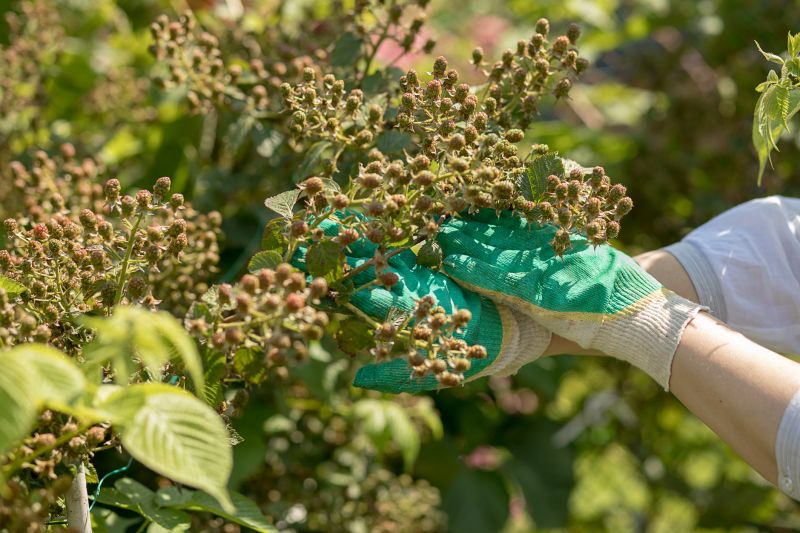
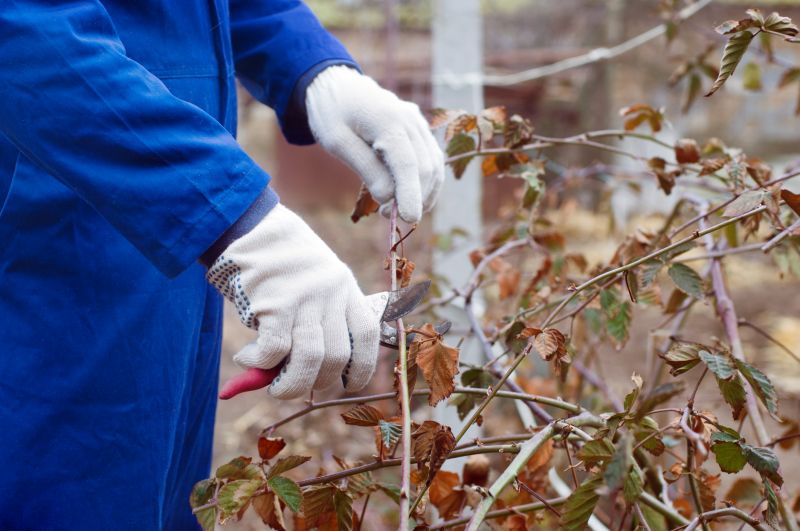
Property owners in Puyallup, WA, often seek Japanese Barberry removal services when invasive plants begin to overtake their gardens or landscapes. Overgrown bushes can crowd out native plants, reduce curb appeal, and make outdoor spaces harder to maintain. Local contractors can help clear out these dense thickets, making way for healthier, more manageable landscapes that better suit the property owner’s needs.
Additionally, some residents look for Japanese Barberry removal to address concerns about plant health or to prevent the spread of unwanted growth. Whether dealing with plants that have become too large or are encroaching on neighboring yards, service providers in the area can assist with safe and effective removal. These professionals can help restore the natural balance of a property’s landscape, ensuring that invasive species do not take over and diminish the property's overall appearance.
What is Japanese Barberry removal? Japanese Barberry removal involves eliminating this invasive shrub from your landscape to prevent it from spreading and causing damage to native plants.
Why should I consider professional Japanese Barberry removal services? Professionals have experience in safely and effectively removing Japanese Barberry, helping to ensure the job is done properly and preventing regrowth.
How do local contractors typically remove Japanese Barberry? Contractors may use methods such as hand pulling, cutting, or herbicide application to remove Japanese Barberry, depending on the extent of the infestation.
Can Japanese Barberry removal improve the health of my existing plants? Yes, removing Japanese Barberry can reduce competition for resources, promoting healthier growth for your native and desirable plants.
How can I find local service providers for Japanese Barberry removal? This website helps connect property owners with local contractors experienced in invasive plant removal services in Puyallup, WA, and nearby areas.
Japanese Barberry Removal - Property owners can clear invasive bushes to improve curb appeal and create a healthier landscape.
Japanese Barberry Removal - Removing overgrown or unwanted bushes can help prevent pests and promote native plant growth.
Japanese Barberry Removal - Local contractors can assist with clearing areas before planting new shrubs or creating open lawn space.
Japanese Barberry Removal - Regular removal services can help maintain a tidy yard and prevent the spread of invasive species.
If you are thinking about Japanese Barberry Removal for a property in Puyallup, WA, this guide is meant to help you understand the work, the typical project types, and how different options might fit your plans.
When you are ready, you can use the quote form on this page to share a few details about your project. From there, local pros can review the basics and respond with options that match what you have in mind.